Pipe Problems Are Hidden Until They're Not
Your home's plumbing pipes are almost entirely hidden inside walls, under floors, and in crawl spaces. You can't see corrosion forming on the inside of a galvanized steel pipe. You can't feel a polybutylene pipe becoming brittle from years of chlorinated water exposure. And you won't notice a pinhole leak behind drywall until a water stain appears on your ceiling or mold starts growing in the wall cavity.
By the time a pipe problem becomes visible, it's usually been developing for months or years. That's why understanding what kind of pipes your Boise home has — and their typical lifespan in our hard water conditions — is so important.
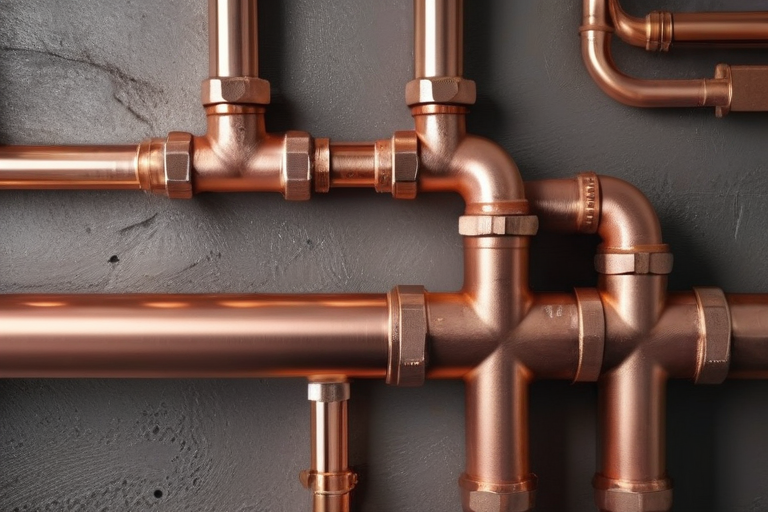

Pipe Materials Found in Boise Homes
Galvanized Steel (1900s–1960s)
If you own a home in Boise's North End, East End, or the older sections of the Bench, there's a strong chance your water supply lines are galvanized steel. These pipes were the standard until the 1960s and have a typical lifespan of 40-70 years — which means most are now past due for replacement.
Galvanized pipes corrode from the inside out. Rust and mineral deposits (accelerated by Boise's hard water at 6.6-15 GPG) gradually narrow the interior diameter, reducing water pressure and flow. Eventually, the corrosion eats through the pipe wall entirely, creating leaks. Brown or rusty water from the hot water tap is a telltale sign, but by the time you see discolored water, the corrosion is severe.
Cast Iron (Drain Lines, 1900s–1970s)
Many older Boise homes have cast iron drain and sewer pipes. These heavy, durable pipes can last 75-100 years, but most are now reaching end-of-life. Cast iron corrodes, develops cracks, and eventually collapses. The joints are especially vulnerable — packed with lead and oakum, they deteriorate over time and allow root intrusion. If your North End home has sluggish drains that keep clogging despite professional cleaning, deteriorating cast iron may be the cause.
Copper (1960s–Present)
Copper has been the gold standard for residential plumbing for decades. It resists corrosion, handles high temperatures, and typically lasts 50-70 years. However, Boise's hard water can cause copper pipes to develop pinhole leaks — tiny perforations caused by a combination of water chemistry, flow velocity, and electrical grounding. Pinhole leaks in copper are a growing issue in Boise homes built in the 1970s-1990s. You might notice small green spots (patina) on exposed copper pipes before a full leak develops.
Polybutylene (1978–1995) — Known Failure-Prone
This is the pipe material Boise homeowners need to be most concerned about. Polybutylene (poly-b or PB) is a gray, blue, or black flexible plastic pipe that was widely used in homes built between 1978 and 1995. It was cheap, easy to install, and seemed like a great alternative to copper — until it started failing catastrophically in homes across the country.
Polybutylene degrades from the inside when exposed to chlorine and chloramines in treated water. The degradation is invisible — the pipe looks fine on the outside while becoming brittle and flaky inside. Then one day, without warning, it splits open and floods your home. The failures are unpredictable: a 30-year-old poly-b pipe might be fine, or it might burst tomorrow.
Many Boise homes in West Boise, Cole-Ustick, South Boise, and parts of Meridian were built during the poly-b era. If your home was built between 1978 and 1995, check your pipes — particularly in the crawl space, water heater area, and under sinks. If you see gray flexible pipes with copper or plastic crimp rings at the joints, that's polybutylene, and we strongly recommend proactive replacement before a failure occurs.
PEX (1990s–Present)
Cross-linked polyethylene (PEX) is the current standard for residential plumbing and our recommended replacement material. PEX is flexible (bends around corners without fittings, reducing leak points), freeze-resistant (can expand slightly without bursting — a real advantage in Boise's 108 frosty nights), corrosion-proof (unaffected by our hard water), and costs 30-50% less than copper. Newer Boise developments like Harris Ranch and Southeast Boise are plumbed entirely with PEX.
Not sure what kind of pipes you have? We'll inspect your plumbing system and tell you what you're working with — and whether replacement should be on your radar.
Call (877) 764-8418 — Free Pipe AssessmentSigns Your Pipes Need Repair or Replacement
- Discolored water — brown, yellow, or rusty water from the hot water tap indicates corroding galvanized or iron pipes. If it's from both hot and cold taps, the supply line itself is corroding.
- Low water pressure — gradual pressure loss over months or years points to mineral buildup narrowing galvanized pipes from the inside. This is especially common in Boise's harder water areas.
- Recurring leaks in different locations — one leak is a repair. Multiple leaks in different areas of the house indicate system-wide deterioration — it's time to consider repiping.
- Visible corrosion on exposed pipes — green patina on copper, orange rust on galvanized steel, or white mineral crust on any pipe material means corrosion is active.
- Pinhole leaks — tiny leaks that create water stains or drips. Particularly common in copper pipes exposed to Boise's mineral-heavy water for 30+ years.
- Metallic-tasting water — corrosion products dissolving into your water supply. This is both a pipe health indicator and a water quality concern.
- Age + material — galvanized steel over 50 years old, polybutylene of any age, or copper showing signs of pinhole corrosion all warrant professional assessment.
Our Pipe Services
- ✓ Single pipe repair — fix a leak, replace a corroded section, or repair frost damage on an individual pipe
- ✓ Pipe reroute — reroute a pipe around an obstruction or move it from a freeze-vulnerable location to a protected one
- ✓ Partial repipe — replace the most deteriorated sections of your plumbing while leaving newer sections intact
- ✓ Whole-house repipe — complete replacement of all supply and/or drain pipes, typically upgrading to PEX (supply) and PVC (drain)
- ✓ Polybutylene replacement — proactive replacement of poly-b pipes before they fail, using PEX
- ✓ Frozen pipe thawing & repair — safely thaw frozen pipes and repair any burst sections; insulate to prevent recurrence
- ✓ Leak detection — electronic and acoustic leak detection to find hidden leaks behind walls, under slabs, and in crawl spaces
- ✓ Water line replacement — replace the main supply line from the meter to your home
Pipe Repair & Repiping Pricing
| Service | Typical Cost | Details |
|---|---|---|
| Pipe Repair | $150 – $500 | Single leak repair, section replacement, or joint fix |
| Pipe Reroute | $500 – $1,500 | Reroute a pipe to avoid a freeze-prone or damaged area |
| Partial Repipe | $2,000 – $5,000 | Replace deteriorated supply or drain sections; keep intact sections |
| Whole-House Repipe | $5,000 – $15,000 | Complete replacement, typically PEX supply + PVC drain; varies by home size |
Pricing depends on home size, number of fixtures, pipe accessibility (slab vs. crawl space vs. basement), and the amount of wall/ceiling repair needed for access. We provide a detailed written quote with material and labor breakdown before starting work.
Wondering if your pipes need attention? Get an honest assessment — we'll tell you what needs replacing now and what can wait.
Call (877) 764-8418The Repiping Process: What to Expect
- Inspection & assessment — we examine all accessible pipes, check water pressure, test water quality, and review your home's age and construction to build a complete picture of your plumbing system.
- Written quote — detailed pricing with material options (PEX vs. copper), scope of work, timeline, and what wall/ceiling access will be needed.
- Preparation — we plan access points to minimize wall openings, protect flooring and furniture, and coordinate the work to restore water service each evening.
- Installation — old pipes are removed and new PEX (or copper) lines are run to every fixture. For whole-house repipes, this typically takes 2-4 days of active work.
- Testing & inspection — the new system is pressure-tested, checked for leaks, and inspected by the plumber (and local inspector if permit is required).
- Cleanup & wall patching — access holes are patched with drywall (not finished/painted — we recommend your own painter or handyman for matching paint and texture).
Frozen Pipe Prevention & Repair in Boise
With 108 nights below freezing, frozen pipes are a fact of life in the Boise area. The most vulnerable spots are pipes in crawl spaces (especially the open vented crawl spaces standard in homes built before 1990), attached garages, exterior walls, and outdoor hose bibs.
If a pipe freezes but hasn't burst, we can safely thaw it using controlled heat application. If it has already burst, we shut off the water, replace the damaged section, and insulate the pipe to prevent it from happening again. For pipes in chronically freeze-prone locations, we may recommend rerouting the pipe to an interior wall or adding heat trace cable — an electrical heating element that keeps the pipe above freezing during cold snaps.
PEX piping has a significant advantage over copper and galvanized steel in freeze-prone situations: it can expand slightly without bursting. While no pipe is truly freeze-proof, PEX handles freeze-thaw cycles far better than rigid pipe materials, which is why we recommend it for all Boise repipe projects.
Pipe Repair FAQ
How much does pipe repair cost in Boise?
A single pipe repair runs $150-$500 depending on location and accessibility. Reroutes cost $500-$1,500. Partial repiping runs $2,000-$5,000, and a whole-house repipe ranges from $5,000-$15,000 based on home size and pipe accessibility. We provide a written quote before starting any work.
Do I have polybutylene pipes and should I replace them?
If your Boise home was built between 1978 and 1995, check for gray, blue, or black flexible plastic pipes in the crawl space, under sinks, and near the water heater. Polybutylene degrades from the inside when exposed to chlorinated water and can burst without warning. Most insurance companies won't cover water damage from known poly-b failures. We recommend proactive replacement with PEX before a catastrophic failure.
What is PEX piping and why is it recommended for Boise homes?
PEX (cross-linked polyethylene) is a flexible plastic pipe that's freeze-resistant (can expand slightly without bursting), corrosion-proof (unaffected by our 6.6-15 GPG hard water), quieter than copper, and 30-50% less expensive. It bends around corners without joints, reducing potential leak points. PEX is especially well-suited to Boise's climate and water conditions.
How do I know if my pipes need to be replaced?
Warning signs include discolored water, gradually decreasing water pressure, recurring leaks in different locations, visible pipe corrosion, pinhole leaks, and metallic-tasting water. Material and age also matter: galvanized steel over 50 years, polybutylene of any age, and copper with pinhole corrosion should all be professionally assessed.
How long does a whole-house repipe take?
Typically 2-5 days for an average Boise home (1,500-2,500 sq ft). The crew opens access points in walls/ceilings, installs new pipes, tests the system, and patches the access holes. Water is shut off during work hours but restored each evening. Larger or more complex homes may take longer.
Can you repair frozen pipes without replacing the whole section?
If the pipe froze but didn't burst, yes — we safely thaw it and add insulation to prevent future freezes. If it cracked or split, that section needs replacement. Either way, we'll insulate vulnerable pipes and recommend rerouting or heat trace cable for chronically freeze-prone locations. PEX is more freeze-tolerant than copper or galvanized steel, which is one reason we recommend it for Boise homes.
Service Areas for Pipe Repair & Repiping
We repair and repipe homes across the Treasure Valley, including Meridian, Eagle, Star, Kuna, Garden City, Nampa, and Caldwell. Each area has its own pipe challenges: North End galvanized steel and cast iron from the early 1900s, West Boise polybutylene from the 1980s, Bench-area copper with hard water corrosion, and Harris Ranch with newer PEX that occasionally needs freeze-related repairs.
Need other plumbing services? We also provide drain cleaning, sewer line repair, water heater repair and installation, and 24/7 emergency plumbing.
Related Resources
Pipe & Water Problems
Diagnose low water pressure, discolored water, leaks, and other pipe issues with Boise-specific causes and solutions.
Diagnose Your Problem →Repiping Cost Guide
Full 2026 pricing for partial and whole-house repiping in the Treasure Valley — PEX vs. copper cost comparison.
See Pricing →Trenchless Sewer Repair
Fix sewer lines without digging up your yard — pipe lining and pipe bursting available across the Treasure Valley.
Learn More →Don't wait for a pipe to burst. Call us for a pipe inspection and honest recommendation.
Call (877) 764-8418 — Free Assessment